






















Dolphins Throughout the History of Art
Dolphins have fascinated artists for thousands of years. Known for intelligence, grace, and a deep connection to the sea, dolphins have symbolized protection, harmony, transformation, and guidance across many cultures. From ancient mosaics to contemporary bronze sculpture, the dolphin continues to inspire artistic expression in meaningful and timeless ways.
Ancient Civilizations: Symbols of Protection and Good Fortune
In ancient Greek and Roman art, dolphins frequently appeared in mosaics, pottery, coins, and architectural decoration. The Greeks believed dolphins were sacred to Poseidon and Apollo, often representing protection for sailors. Dolphins were seen as friendly guides that helped travelers safely reach shore.
Minoan frescoes from Knossos (circa 1500 BC) feature beautifully stylized dolphins swimming across palace walls, demonstrating how early artists were captivated by their elegant movement.
Romans continued this tradition by incorporating dolphins into elaborate floor mosaics and fountains, symbolizing prosperity and a harmonious connection between humans and the sea.
Renaissance & Classical Art: Movement and Mythology
During the Renaissance, artists embraced dolphins as decorative elements in fountains and architectural ornamentation. Dolphins often accompanied mythological scenes involving Neptune or sea nymphs, emphasizing motion and fluidity.
Stone dolphins became popular fountain figures, their curved bodies naturally lending themselves to water features. The elegant arch of a dolphin’s form provided both beauty and functional design.
Maritime and Nautical Traditions
As global exploration expanded, dolphins became associated with maritime heritage. Ship carvings and nautical emblems frequently incorporated dolphins as symbols of safe passage and hope. Sailors believed dolphins guided vessels through difficult waters and protected them during storms.
These symbolic meanings continue today in coastal décor and seaside sculpture installations.
Modern Sculpture: Realism and Emotional Connection
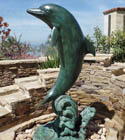
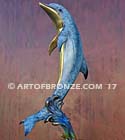
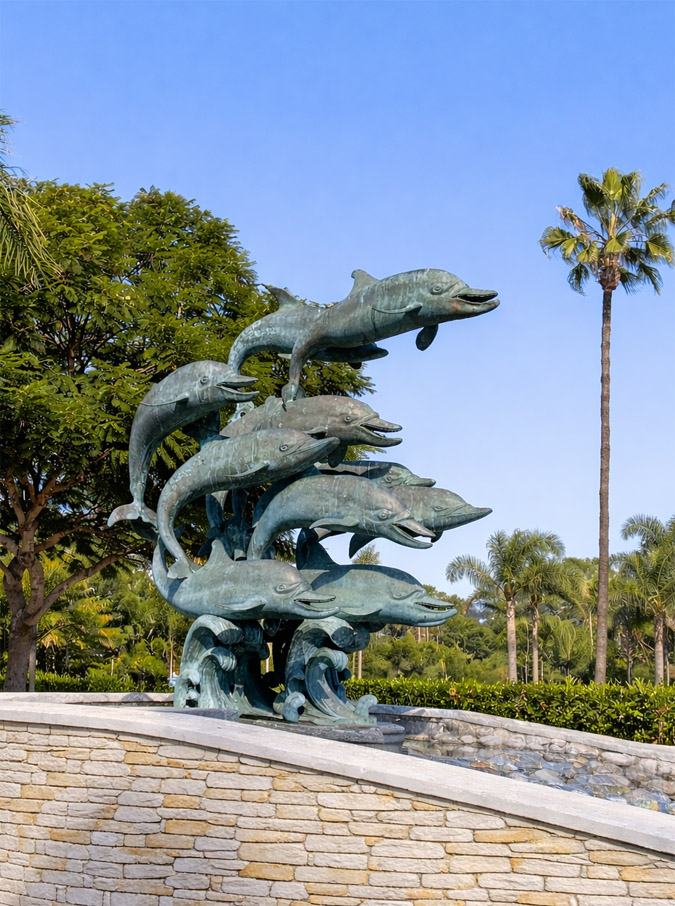
In modern art, dolphins are often sculpted with increased anatomical accuracy and expressive detail. Bronze has become a favored material due to its durability and ability to capture subtle textures such as skin movement and fluid motion.
Contemporary artists frequently depict dolphins leaping from waves or interacting with other marine life, conveying joy, intelligence, and freedom. These sculptures are often placed in gardens, coastal homes, resorts, and public spaces where they create a peaceful and uplifting atmosphere.
Dolphins in Contemporary Bronze Sculpture
Today, bronze dolphin sculptures are frequently used in:
- garden landscapes
- poolside installations
- coastal estates
- hotels and resorts
- public fountains
- memorial art settings
The timeless nature of bronze complements the enduring symbolism of the dolphin, allowing each sculpture to maintain beauty for generations.
For collectors and designers, dolphin sculptures offer both artistic sophistication and emotional resonance — a combination that has made them one of the most enduring subjects throughout the history of art.